Article
5 min read
Enterprise Mobility in 2026: Having a Program vs. Running One
Immigration

Author
Orlagh Mailey
Last Update
June 18, 2026

Table of Contents
The enterprise mobility program is still being run like its 2015
Compliance isn't a milestone, it's a maintenance state
The vendor fragmentation problem is getting worse before it gets better
AI in mobility: genuinely useful, but not where everyone's pointing
Employee experience is no longer optional
What I'd advise a mobility leader transforming their program today
Ready to move from managing cases to running a program?
I've spent my career watching enterprise mobility teams fight the same battles. I've been on an enterprise mobility team, and I have worked as a provider for fortune 500 mobility teams. Different companies, different industries, different geographies — but the same core problem keeps surfacing: mobility moves fast, and the infrastructure around it never caught up.
In 2026, that gap is harder to ignore.
The post-pandemic talent redistribution didn't reverse this. If anything, it accelerated. Companies that once dealt with a handful of executive assignments now have hundreds of distributed workers and cases to manage. The workforce got more international. The regulatory environment got more complex. And most mobility teams are still tracking cases on spreadsheets, working with multiple vendors, and chasing updates via email.
That's not a people problem. It's a structural problem.
The enterprise mobility program is still being run like its 2015
Here's what I see on the ground: the mobility program technically exists, but it doesn't function like a program. It functions like a series of individual policies. Someone in recruitment flags that a new hire needs a work permit. A regional HR partner reaches out to the global immigration contact. That contact has a different team in every country who have a different way of working. Documents go back and forth over email and context gets lost in translation. Corporate document renewals sit in someone's personal calendar as they are being managed by different vendors. And when that person leaves, the institutional knowledge walks out with them.
At small volume, that's manageable. At 50, 100, or 200+ active cases across 15 countries, it creates real exposure. Missed renewal windows lead to work authorization gaps. Inconsistent processes applied by different team members across regions mean compliance standards vary, and in most jurisdictions, that's a regulatory risk, not just an operational annoyance.
Mobility is a compliance-critical function that needs infrastructure, not improvisation.
See also: Enterprise Payroll Implementation: A Framework for Global Organizations
Compliance isn't a milestone, it's a maintenance state
One of the most persistent misconceptions is that immigration compliance is something you achieve. You get the permit, you check the box, you move on.
That's not how it works.
Work authorization is an ongoing obligation. The right-to-work doesn't stop at hire. Permit conditions can change. Extensions require lead time. Employees transition between roles, locations, and pay structures and those transitions often carry immigration implications that require immediate intervention.
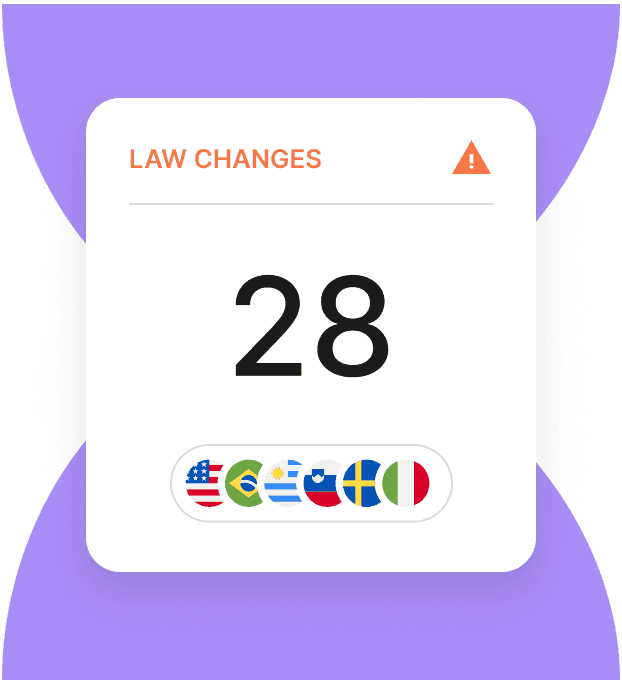
The companies building real resilience here have shifted their thinking from case management to status management. The question isn't just "did we get the permit?" It's "do we know every employee's current status and what's expiring in the next 90 days?"
This type of visibility is the full time job of a mobility or work authorisation team. In 2026, it requires the right platform and the right expertise sitting behind it.
Deel's immigration experts guide us through critical decisions, especially in complex countries like the United States, always ensuring legal compliance in each applicable state.
—David Holguín,
Benefits and Mobility Manager at FEMSA
Compliance
See also: The Enterprise Guide to Global Compliance Management in 2026
The vendor fragmentation problem is getting worse before it gets better
Global coverage using regional or local vendors sounds like a reasonable approach until you try to report on it. When your immigration program runs across eight different vendors, you get eight different status update formats, eight different billing models, and zero consolidated view of your workforce exposure.
I've seen this cause serious problems at the worst possible moments — an audit, a workforce restructuring, a new government policy or crisis that requires a rapid response across multiple jurisdictions. The organizations that can move quickly are the ones that have a single source of truth.
The market has been moving toward consolidation for years, and companies are increasingly pushing back on the fragmented-vendor model. The question is whether consolidation means fewer vendors with the same structural weaknesses, or a genuinely different approach.
There's a meaningful difference between aggregating third-party providers under a single contract and actually owning the process. I'd encourage any enterprise mobility leader to push hard on that distinction when evaluating partners. Who manages the case? Who is accountable when something goes wrong? Are you talking to your actual case team, or to a client relationship manager who relays questions downstream?
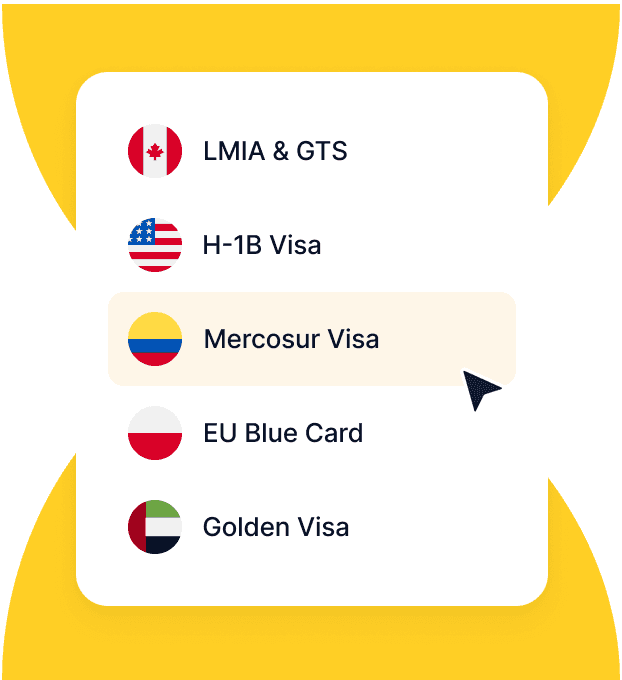
Platforms like Deel Mobility are built around internal immigration specialists — not external vendors which changes the accountability model significantly. When your case manager is the person who actually knows you, you don't lose two days to internal handoffs every time a question comes up.
Deel Mobility
Deel's provided amazing support to relocate employees. From sponsoring visas in various countries to all the requirements needed: paperwork, documentation, and other things that were challenging for us.
—Luka Besling,
HR Manager at Revolut
See also: Best Global Employee Mobility Services & Platforms 2026
AI in mobility: genuinely useful, but not where everyone's pointing
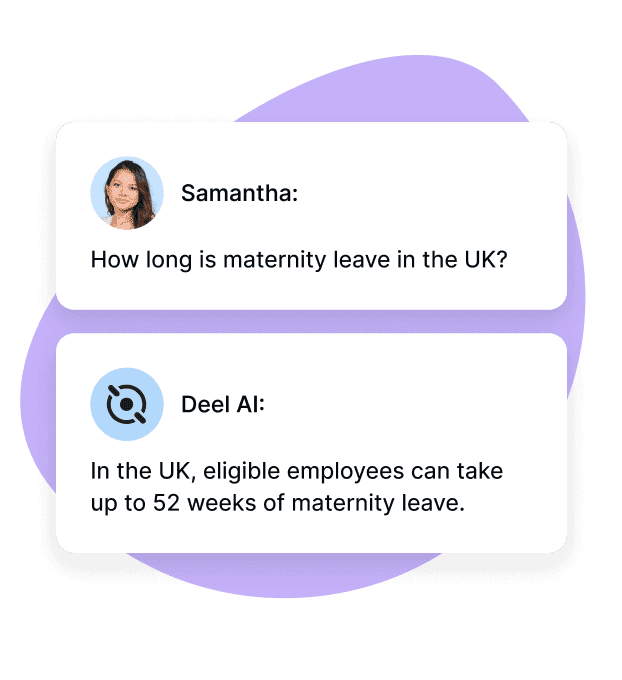
There's a lot of noise right now about AI transforming immigration. Some of it is real. Most of the valuable applications I've seen aren't in the dramatic "AI replaces the lawyer" framing that makes for good press. They're in the operational layer: eligibility screening, document review, expiry tracking, policy monitoring.
AI-powered eligibility assessments can dramatically accelerate mobility planning. Before, getting a clear picture of the work authorization pathway for a given role in a given country might take days of back-and-forth with multiple stakeholders. With the right tooling, that groundwork can happen much faster.
That speed matters — not in deciding who to hire, but in planning how and when. Mobility teams that can quickly map out realistic timelines, flag complexity early, and brief hiring managers before an offer is made are far more useful to the business than teams who surface blockers after a candidate has already signed. The difference between "we flagged a 16-week processing timeline in week one" and "we flagged it after the start date was agreed" is significant.
What AI is not doing, and shouldn't be trusted to do, is replace specialized human judgment on complex cases. The multi-jurisdictional situations, the nuanced assessments of individual circumstances, the cases where the technically correct answer might not be the practically correct one: those still need experienced practitioners. In my view, the right model isn't AI instead of specialists. It's AI handling the volume work so specialists spend their time where it actually matters.
Through Deel we've been able to hire more than 150 people, and relocated more than 10 employees to countries like the UAE and Switzerland.
—Luka Besling,
HR Manager at Revolut
Deel AI
See also: Streamline Employee Relocations: A Guide For Enterprise Businesses
Employee experience is no longer optional
Global mobility teams have historically been measured on outcomes: permits approved, process completed on time, and costs controlled. Those are the right things to measure. But increasingly, I think we need to add a fourth metric: did the employee feel supported through the process?
Global mobility, from the employee's perspective, is often one of the most stressful professional experiences they'll have. They're navigating an unfamiliar immigration system, often in a second language, while simultaneously starting a new role or relocating their family. The administrative burden lands on them at exactly the wrong moment.
The organizations getting this right are the ones that give employees real-time visibility into their own cases. Not just "your case is in progress" — but actual status tracking, clear next steps, and a direct line to someone who knows them inside out. That experience reduces HR escalations and genuinely improves retention. I've seen mobility friction turn into attrition in ways that never showed up in the mobility metrics.
The best platforms in this space are building the employee experience alongside the compliance and operations layer, not as an afterthought. That dual focus matters more than you can imagine at the end of the day immigration is a human experience.
With Deel, we have an easy remote work solution powered by a user-friendly platform and a seamless process. This has been helpful in ensuring we didn’t lose key staff and the deep corporate knowledge and skills that are hugely beneficial to our business.
— Lysette Randall,
HR Executive at Quantium
See also: 8 Steps to Handle Employee Relocation Requests for Enterprises
What I'd advise a mobility leader transforming their program today
If you're rethinking how your enterprise handles global mobility in 2026, a few things I'd keep front of mind:
- Your program needs a single system of record. Not just for reporting daily operations. Cases, documents, legislative updates, expiry dates, and compliance alerts should live in one place, visible to your team and integrated with your HRIS. Disconnected tools don't scale
- Match your service model to your current needs, but plan for where you're going. Some enterprise teams are sophisticated enough to manage cases in-platform with specialist support available. Others need a fully managed model where the partner owns the process end to end. Both are legitimate starting points. What matters is that you're not stuck in a model that made sense at 20 cases per year when you're running 200
- Push on accountability when you evaluate partners. The question isn't just global coverage. It's who handles your cases, what their language capabilities are, how they communicate, and what happens when something goes wrong. A network of third-party vendors can look like global coverage until you need consistent quality and policy application across six simultaneous jurisdictions
- Don't underestimate the transition work. Moving a mobility program from multiple vendors to one takes time and significant change management. The payoff is significant, but the path there requires clear process ownership and communication especially if regional HR teams have built their own local relationships over time
The companies treating global mobility as a strategic function rather than administrative are building a genuine competitive advantage. Not just because they're managing risk better — though they are — but because they're faster. Faster to move candidates, faster to respond to workforce changes, faster to expand into new markets.
That speed compounds over time. And in a global talent market where speed and reliability matter, it shows.
Ready to move from managing cases to running a program?
Book a free consultation below to discover how Deel Mobility can support your enterprise immigration program at scale.
Deel Mobility
Get your immigration and mobility questions answered

More resources
Orlagh Mailey is the Associate Director of Global Mobility at Deel. Orlagh has over ten years of industry experience and a background in law and project management. She provides immigration knowledge, strategic guidance, and operational support to business leaders, HR, and external partners.